The Case for Creatives: Why Conservation Needs Artists
Master’s Thesis
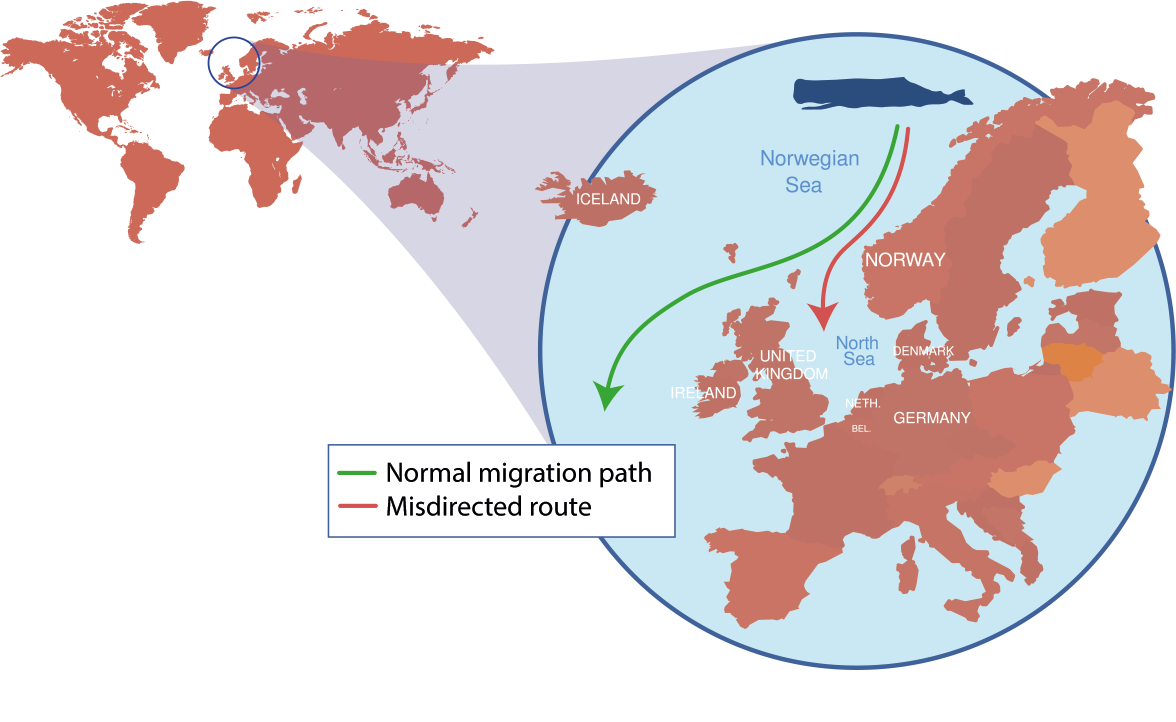
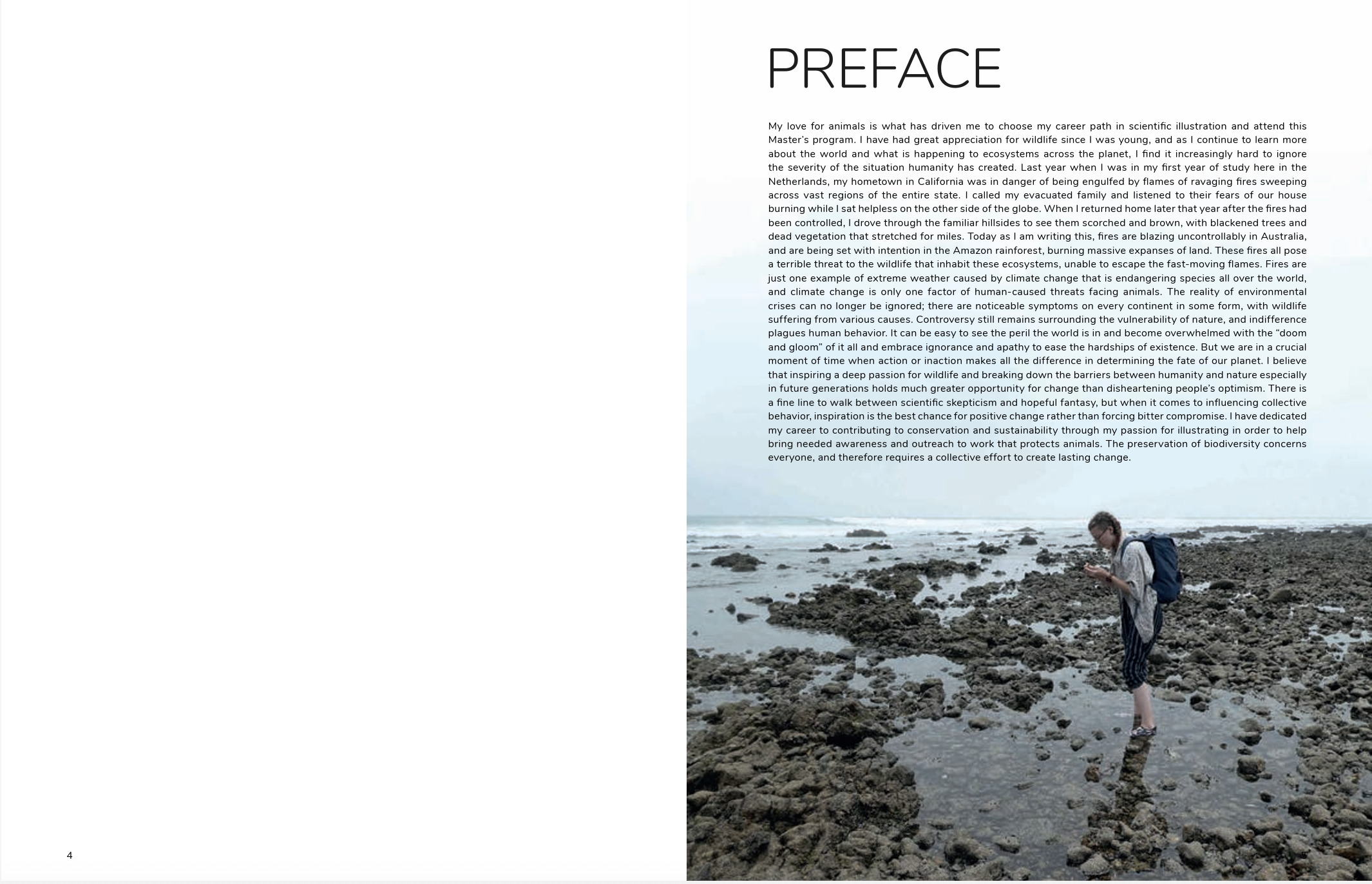
During my Master’s Thesis that culminated in 2020, I studied the different ways art and design can benefit causes in conservation by exploring two vastly different topics: snaring of African lions, and strandings of whales on the Dutch coast. I worked with Dr. Alexander Braczkowski who is a National Geographic explorer and researches and photographs lion populations in Africa, and scientists at the Naturalis Biodiversity Center in the Netherlands studying why whales mysteriously strand at this location. You can see the entire publication here, and on this page explore features of the thesis book layout design, images from the interactive infographic about lions, and the infographic poster design about sperm whales.
Featured Pages
-
![]()
Thesis Print Cover - Front & Back
-
![]()
Thesis Preface
-
![]()
Introduction Spread
-
![]()
Research Method Spread
-
![]()
Projects Overview Spread
-
![]()
Whale Project Overview
-
![]()
Lion Project Overview
-
![]()
Interactive Lion Infographic Details



Lions
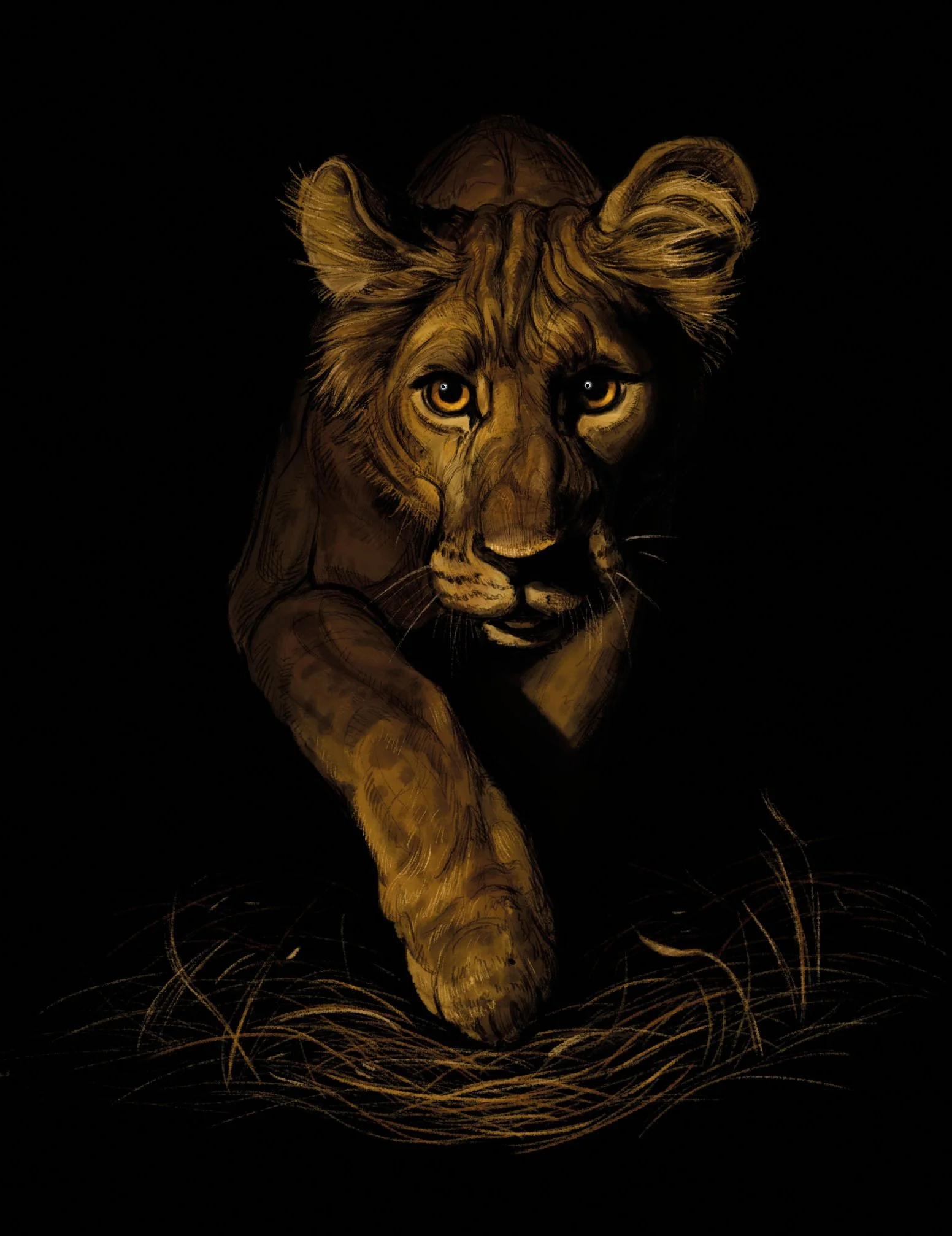
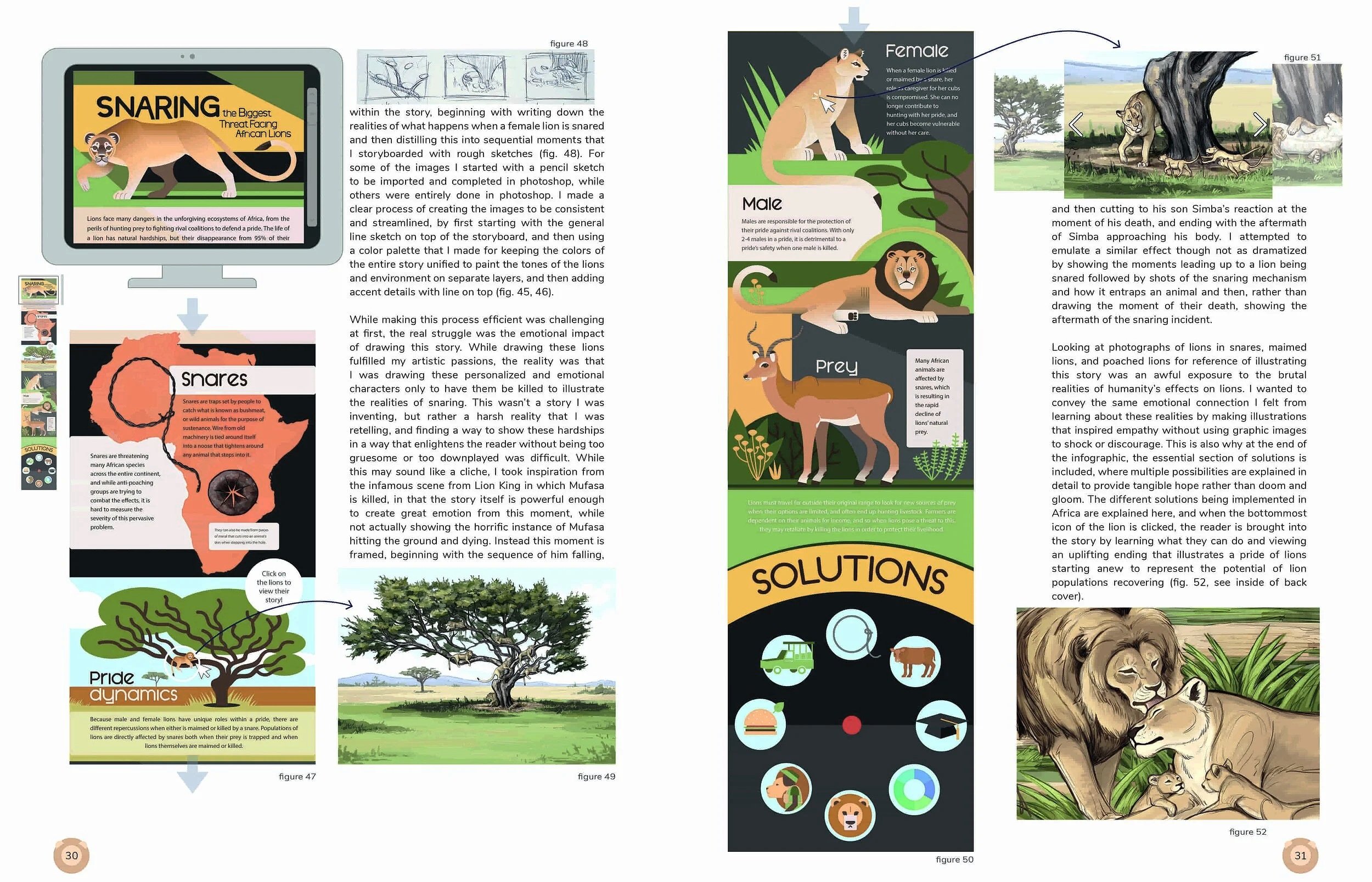
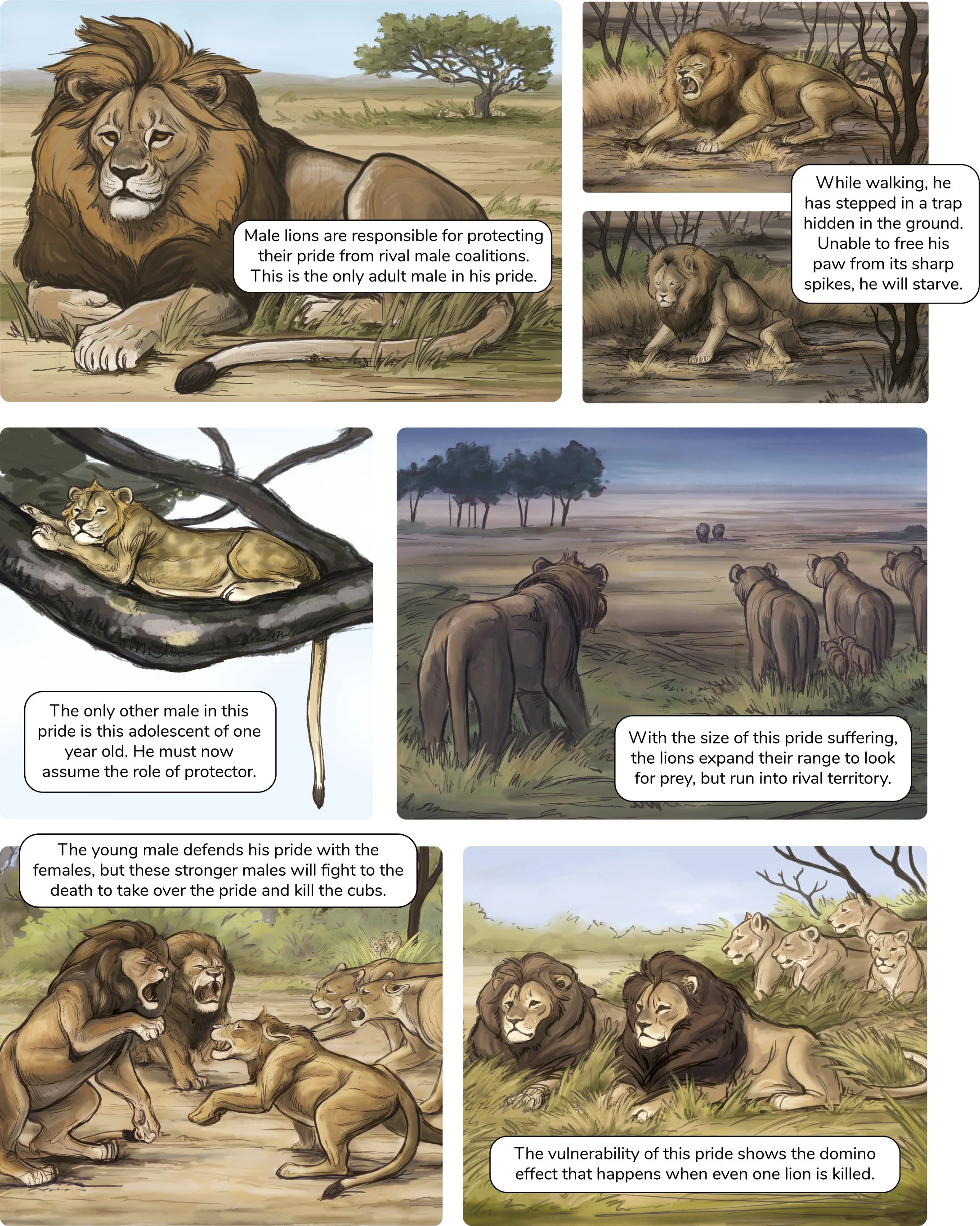
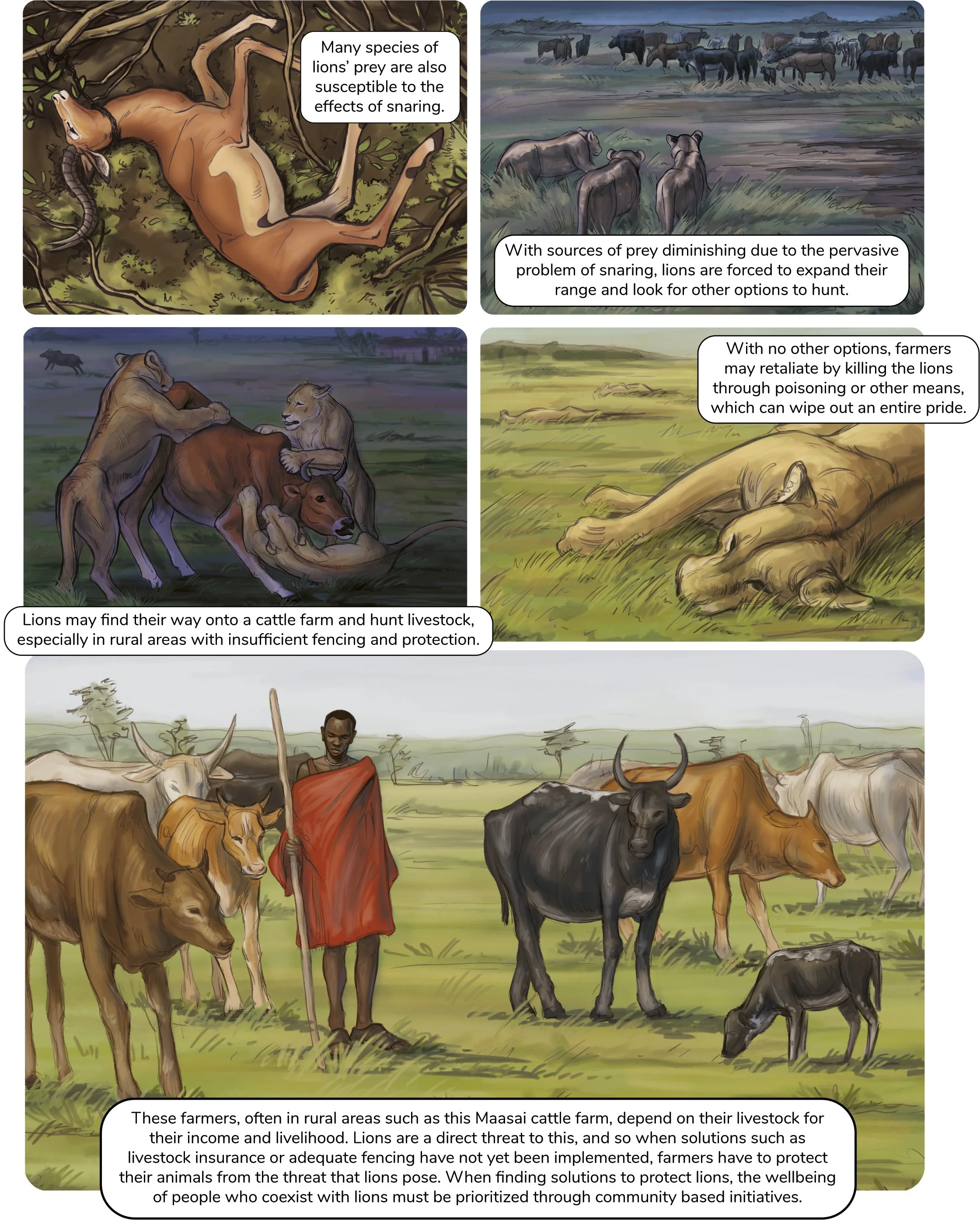
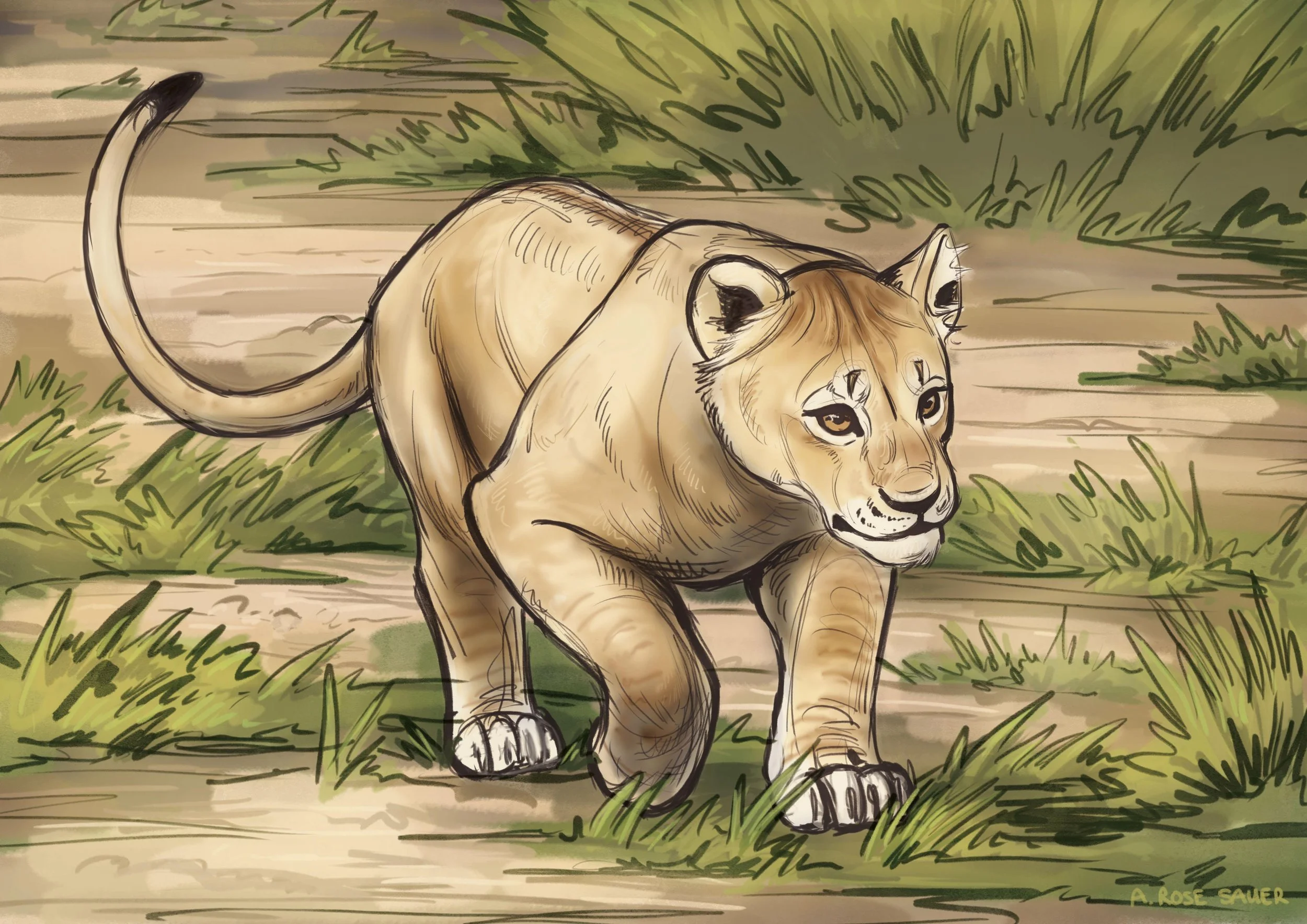
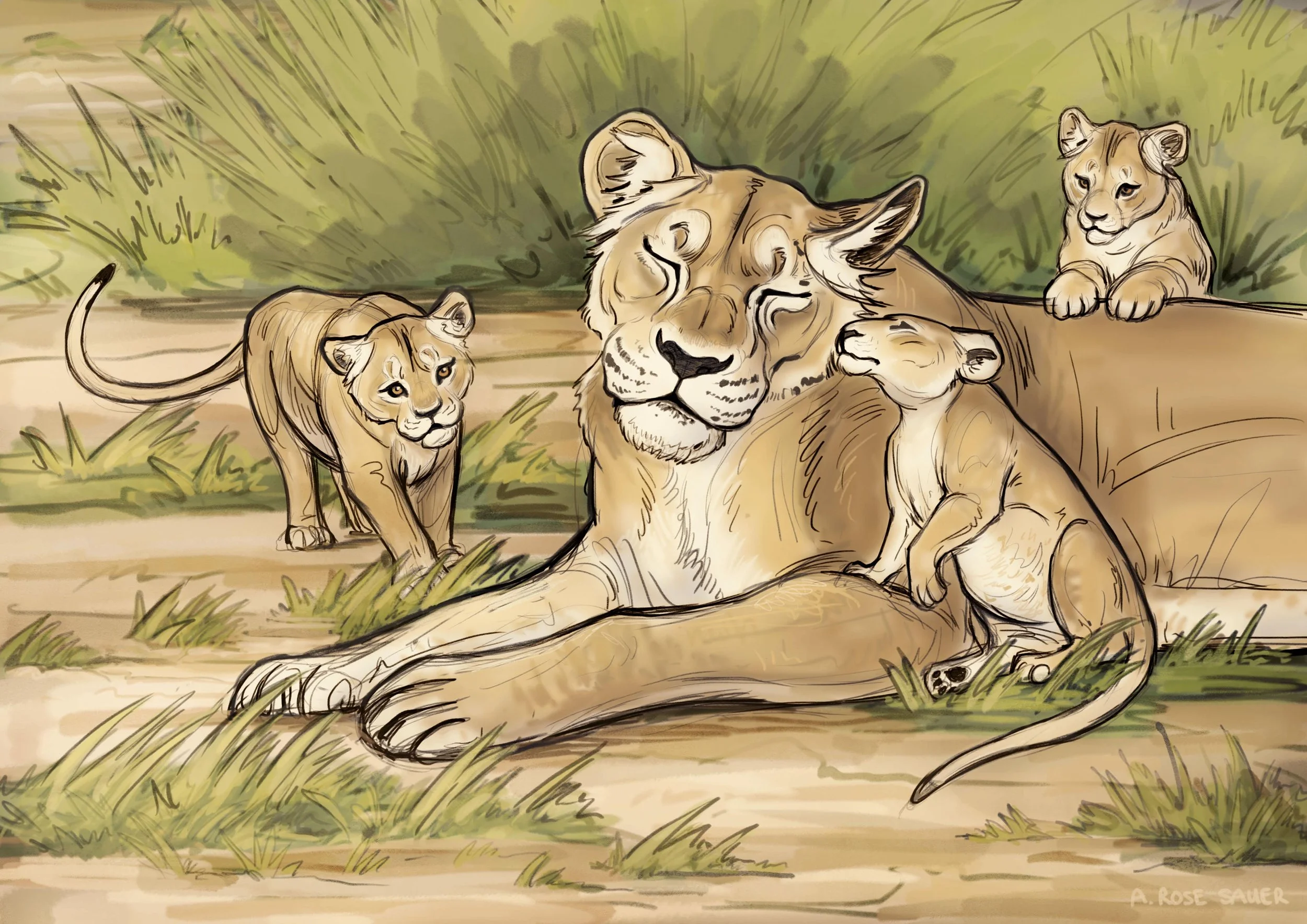
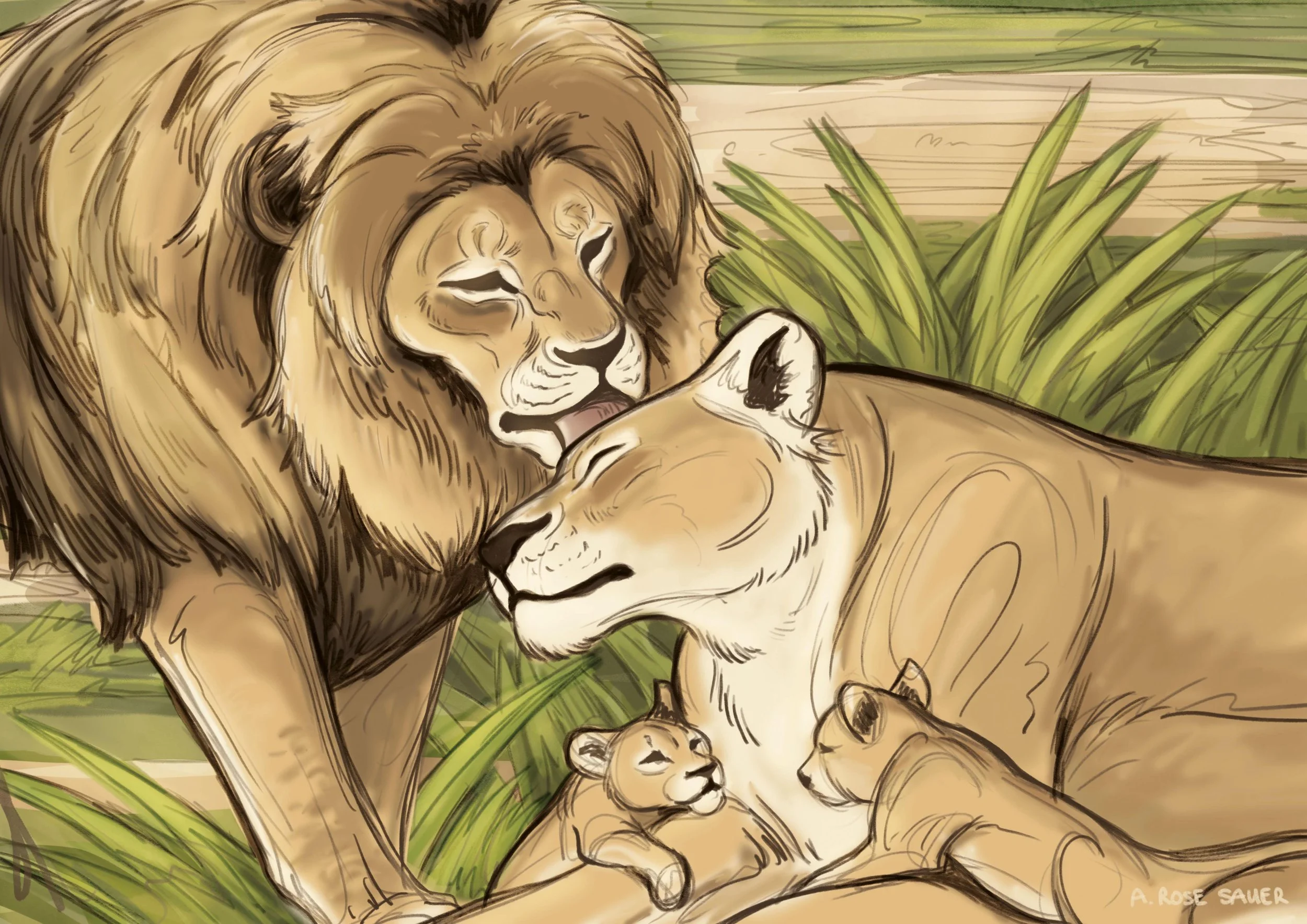
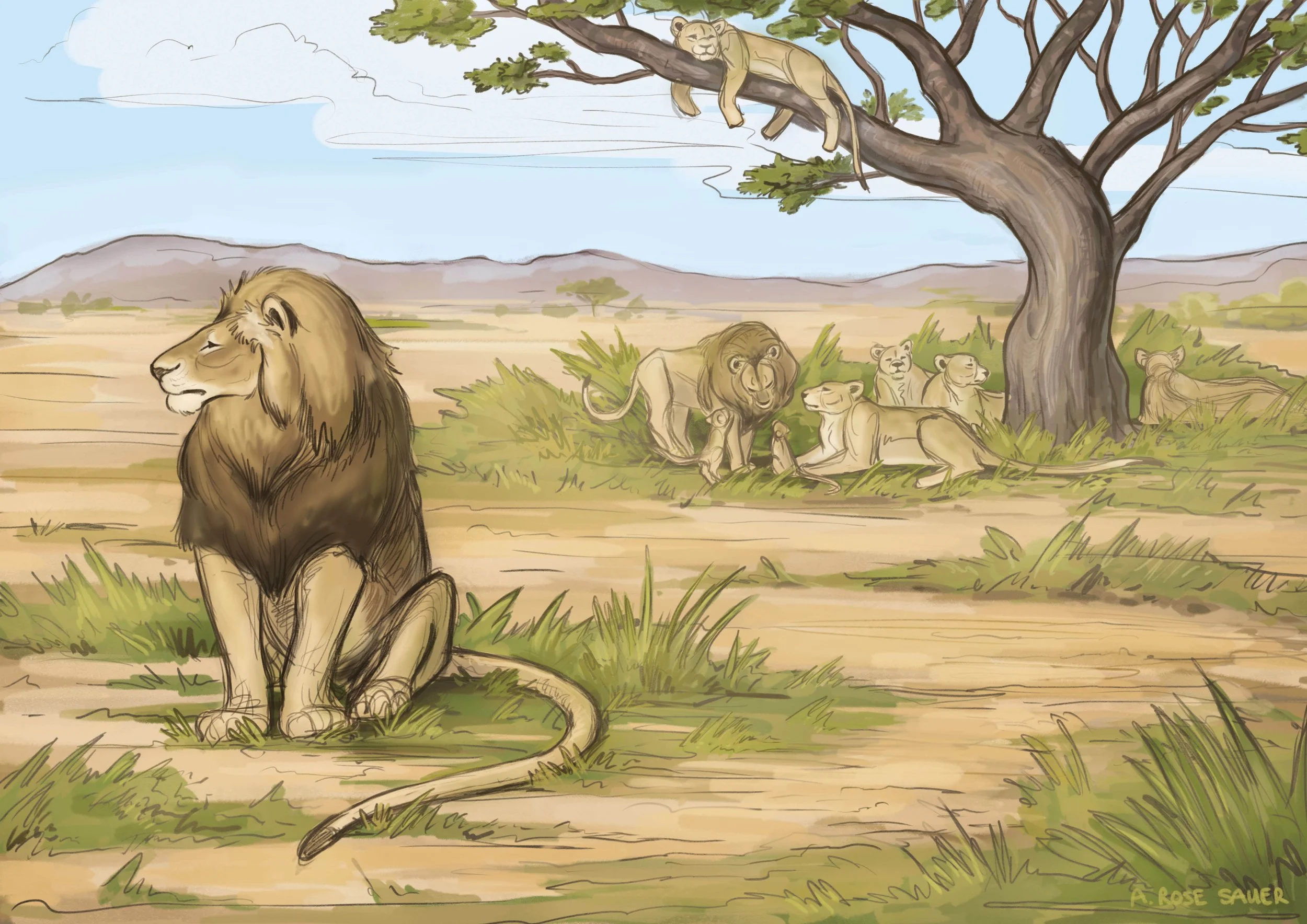
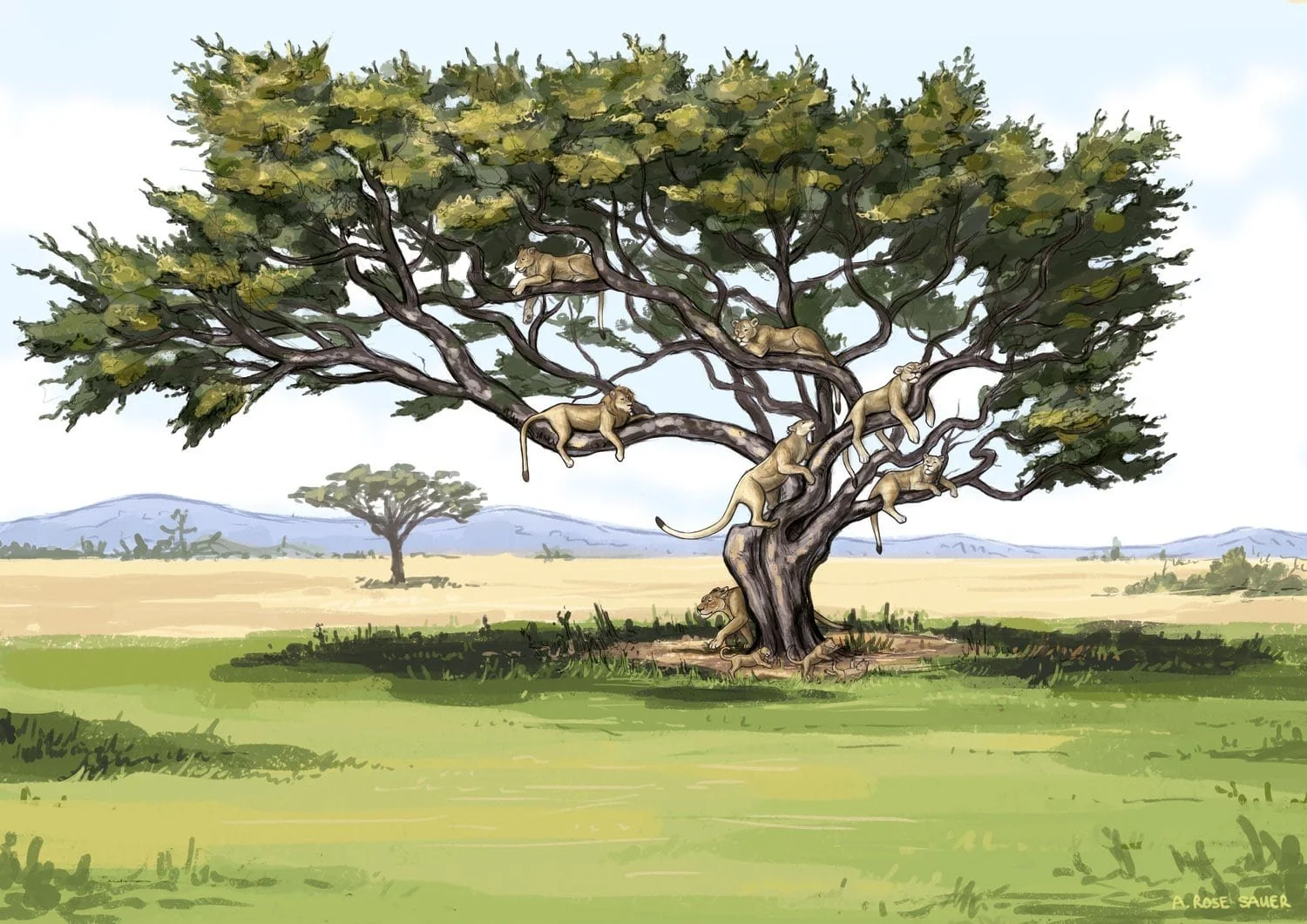
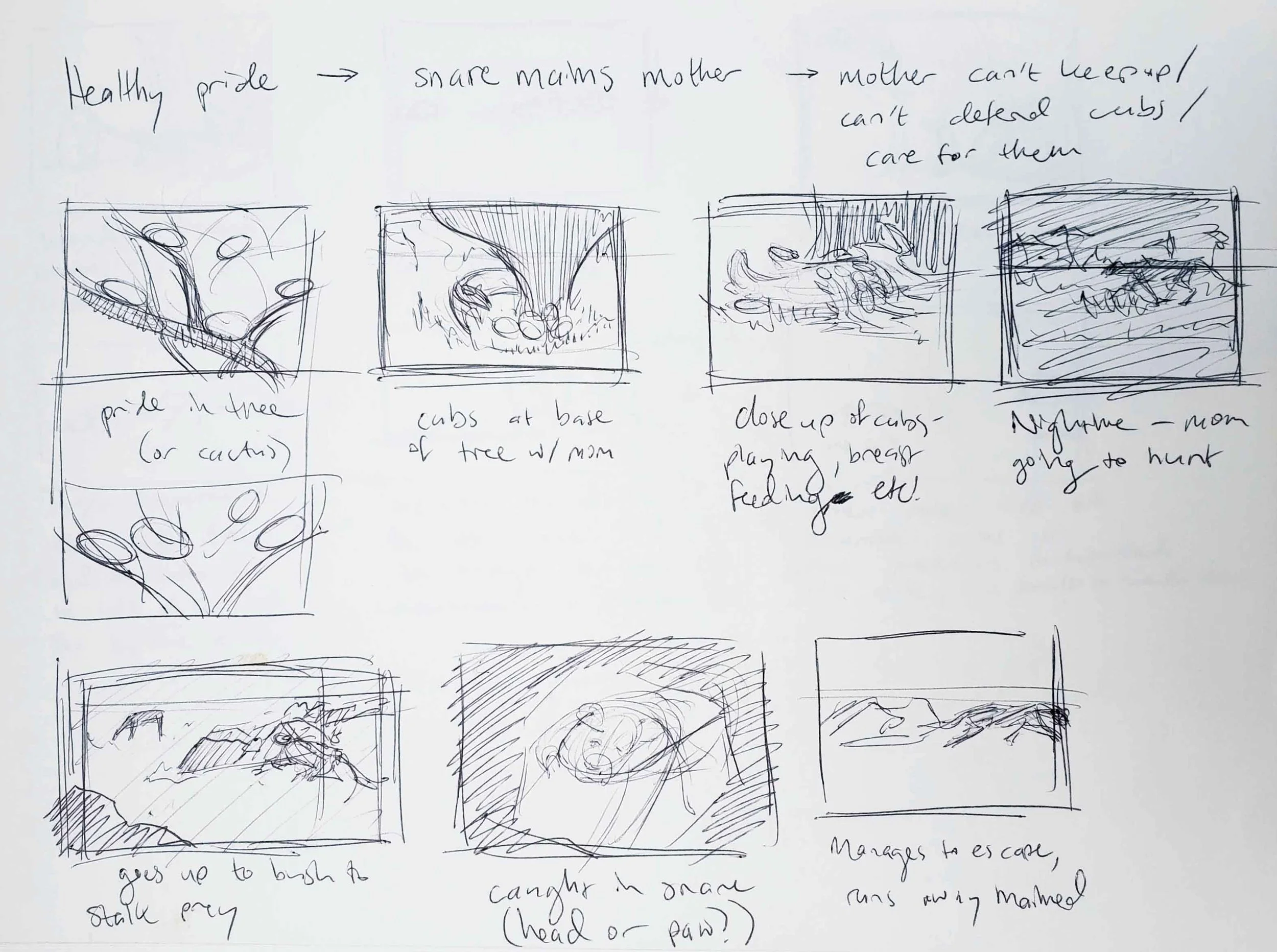
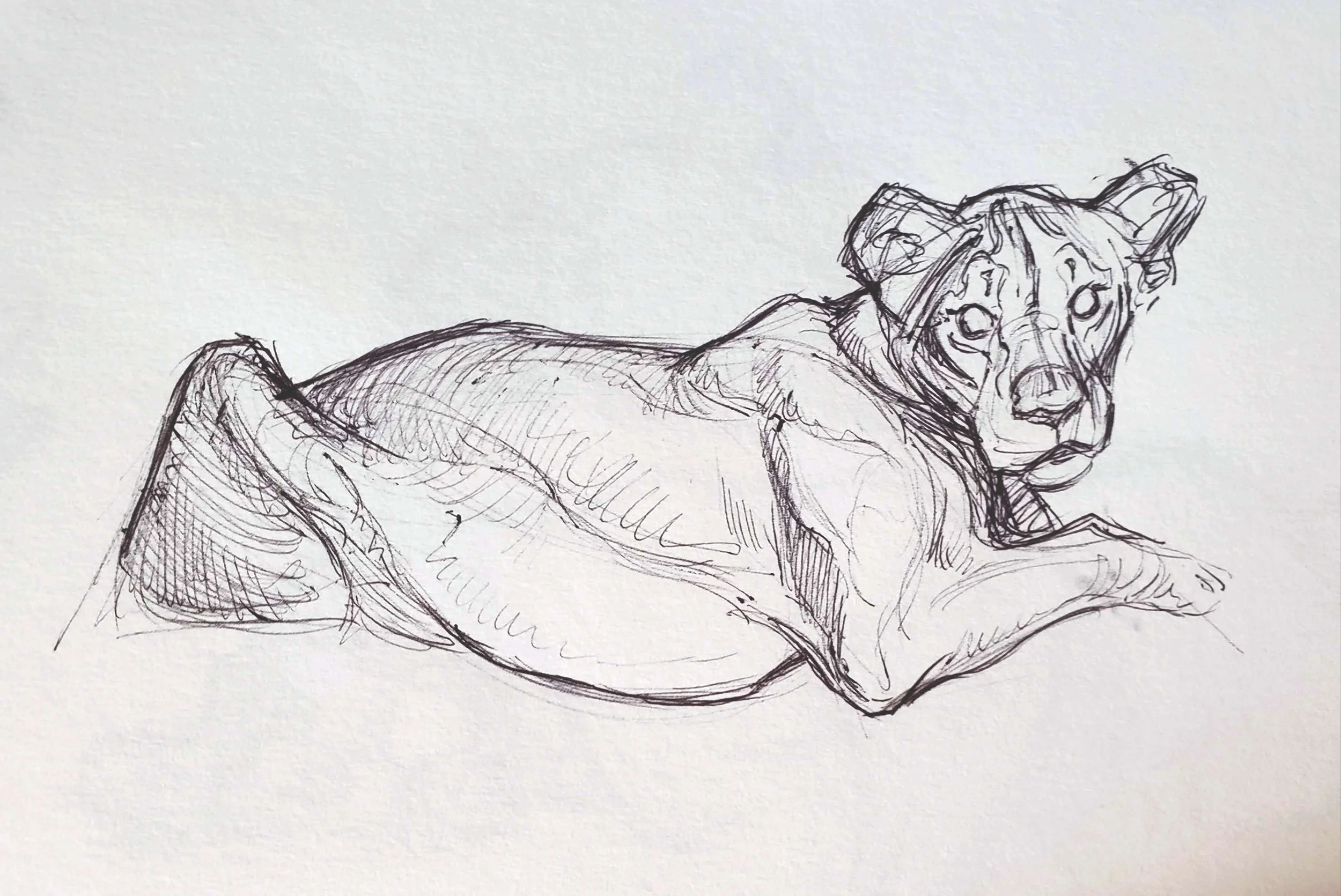
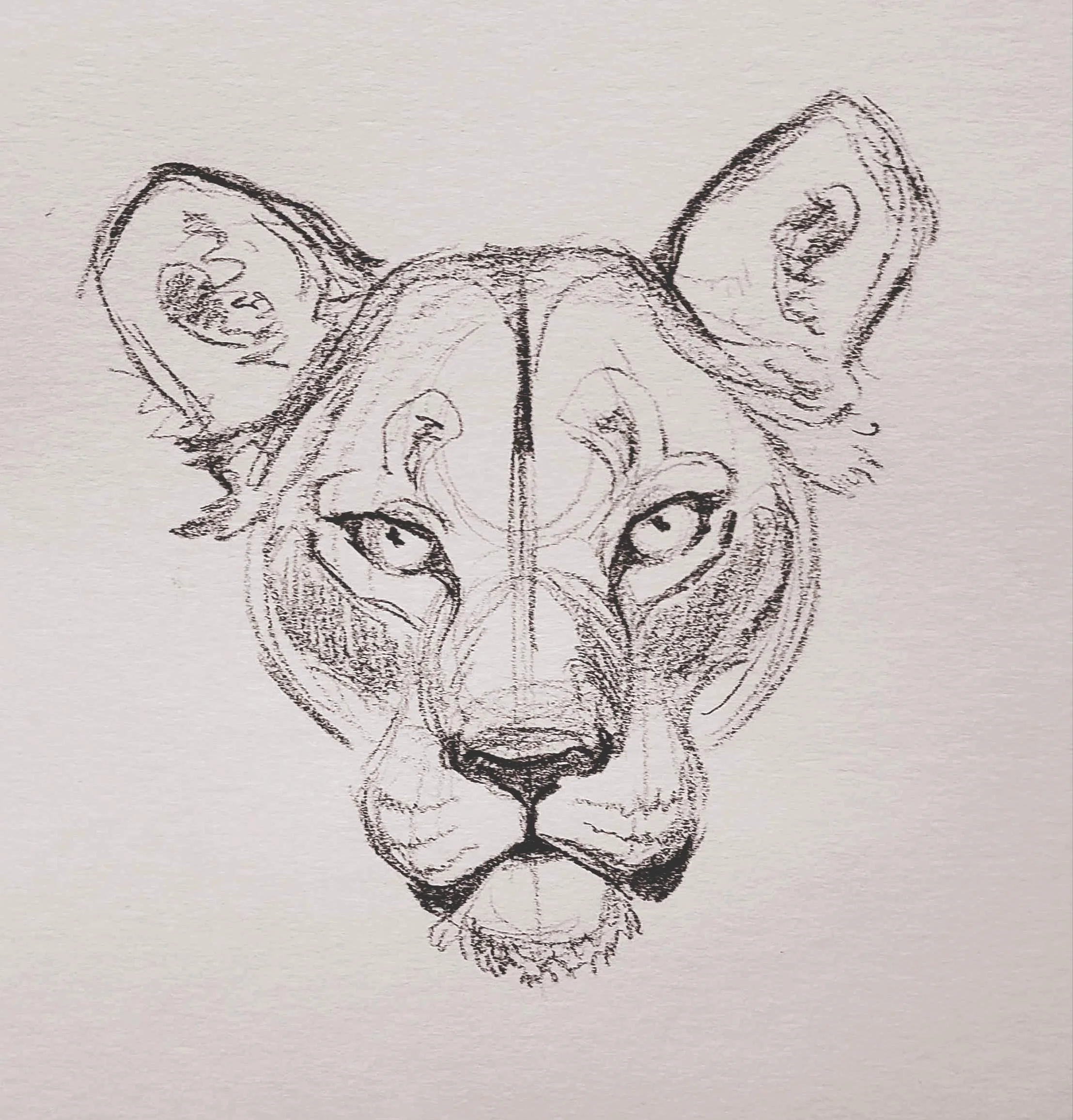
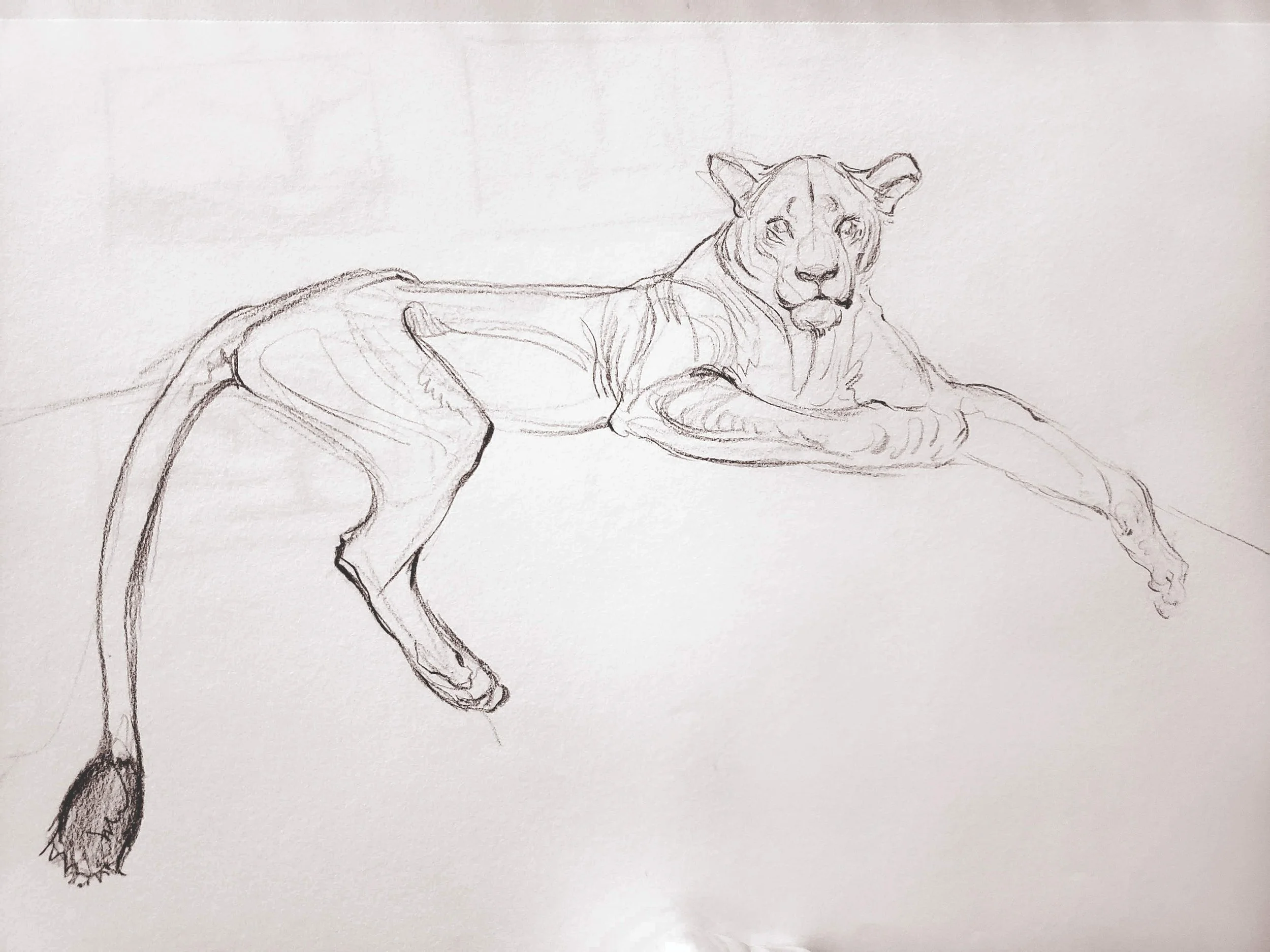
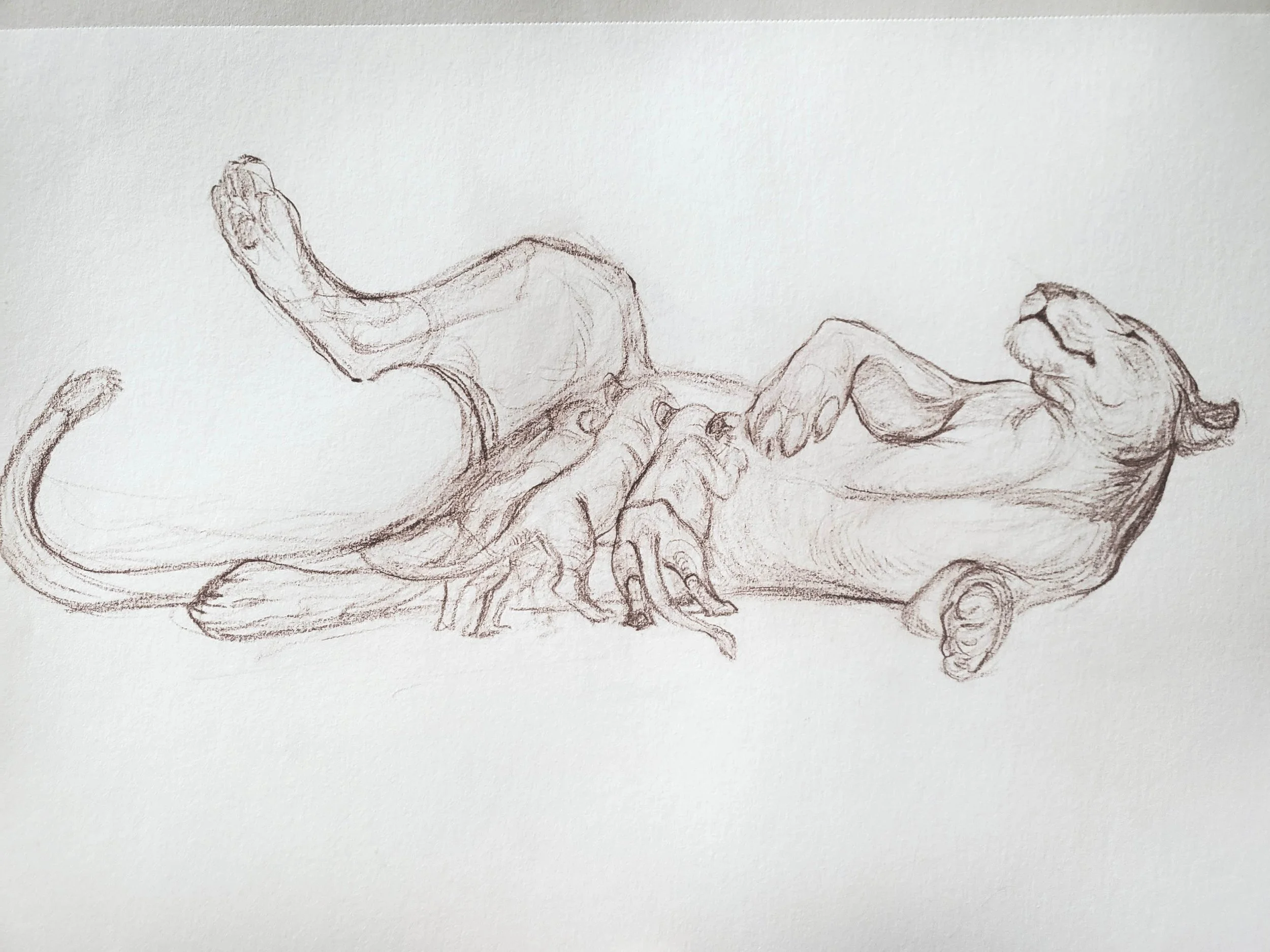
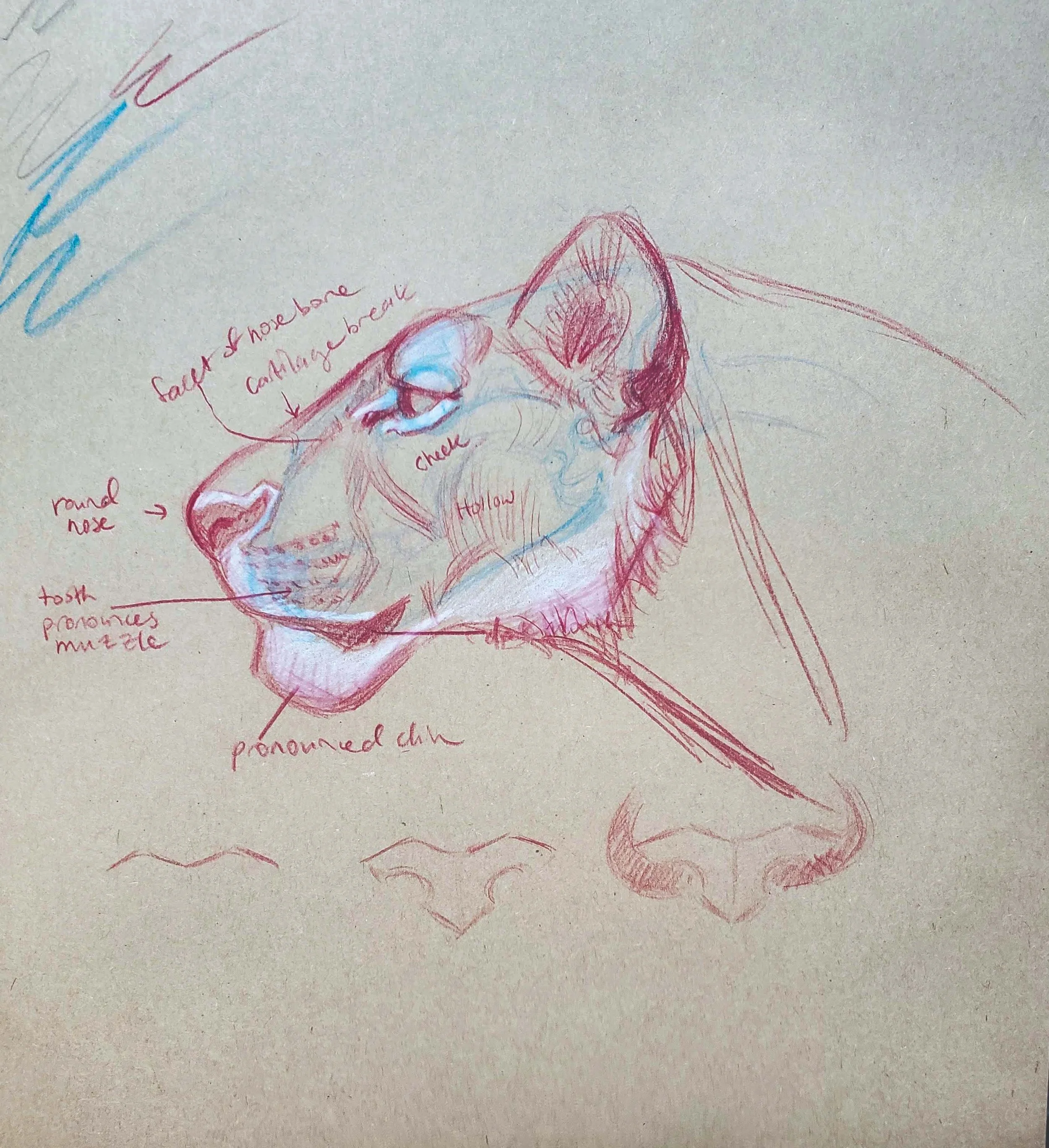
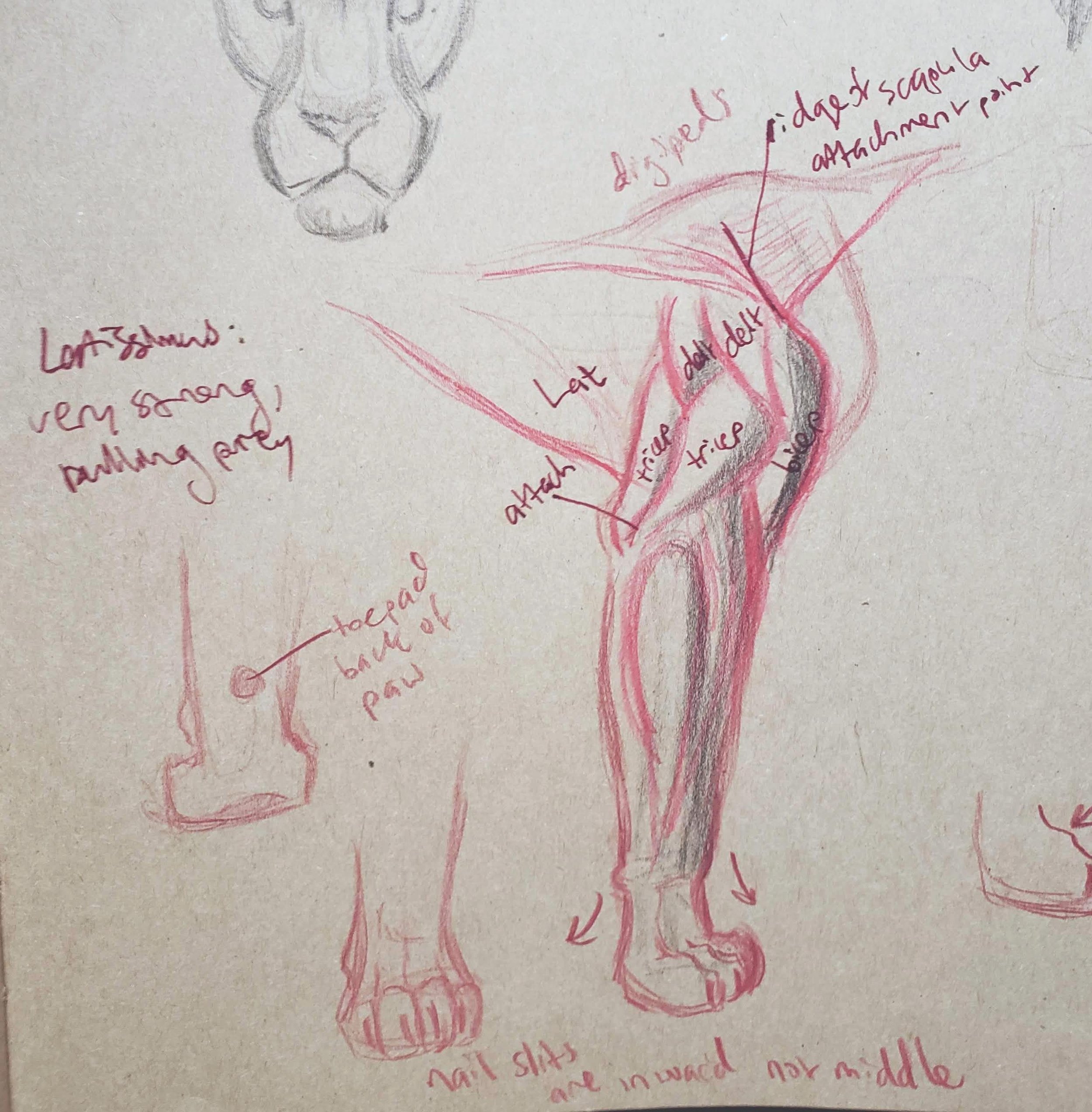
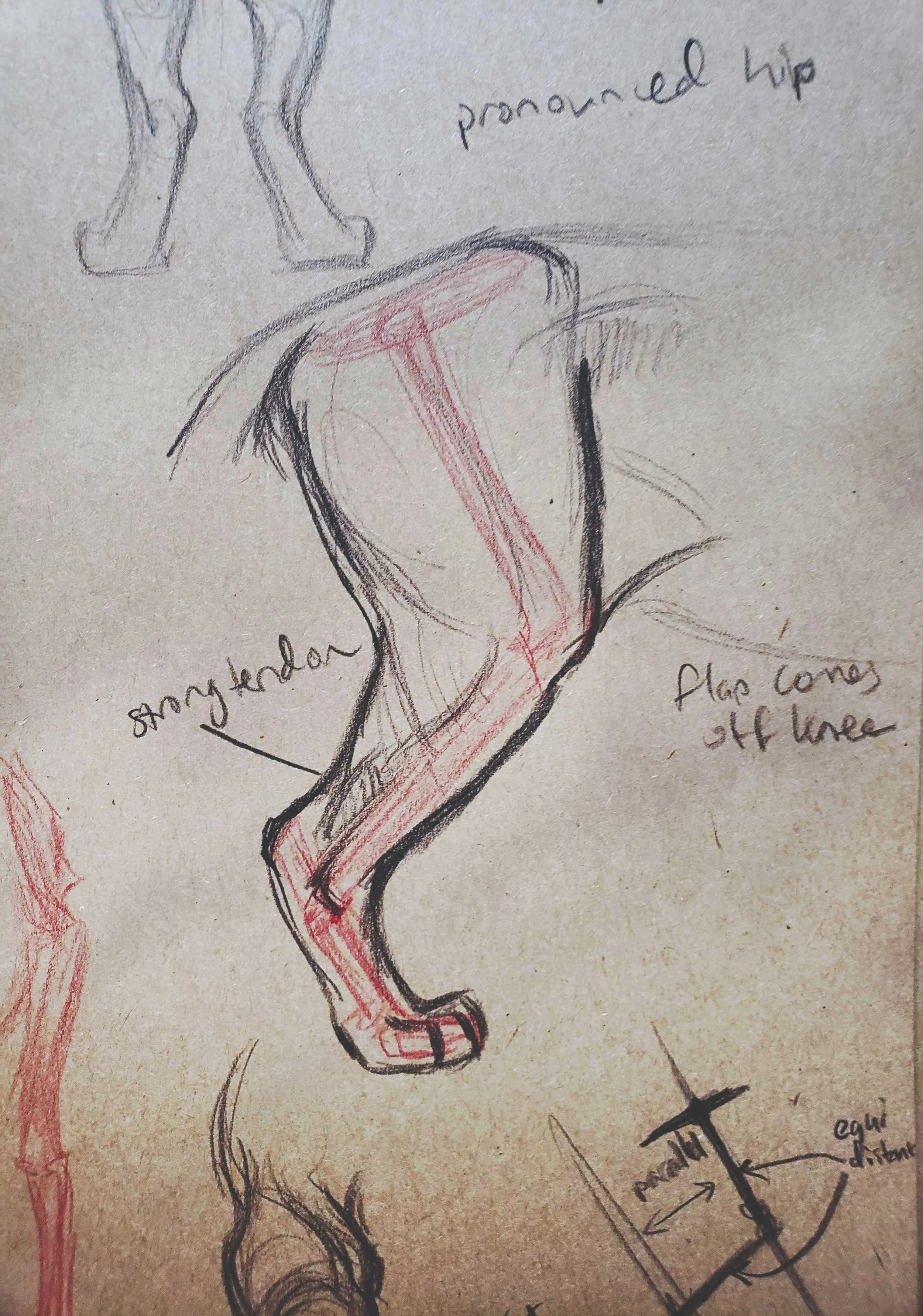
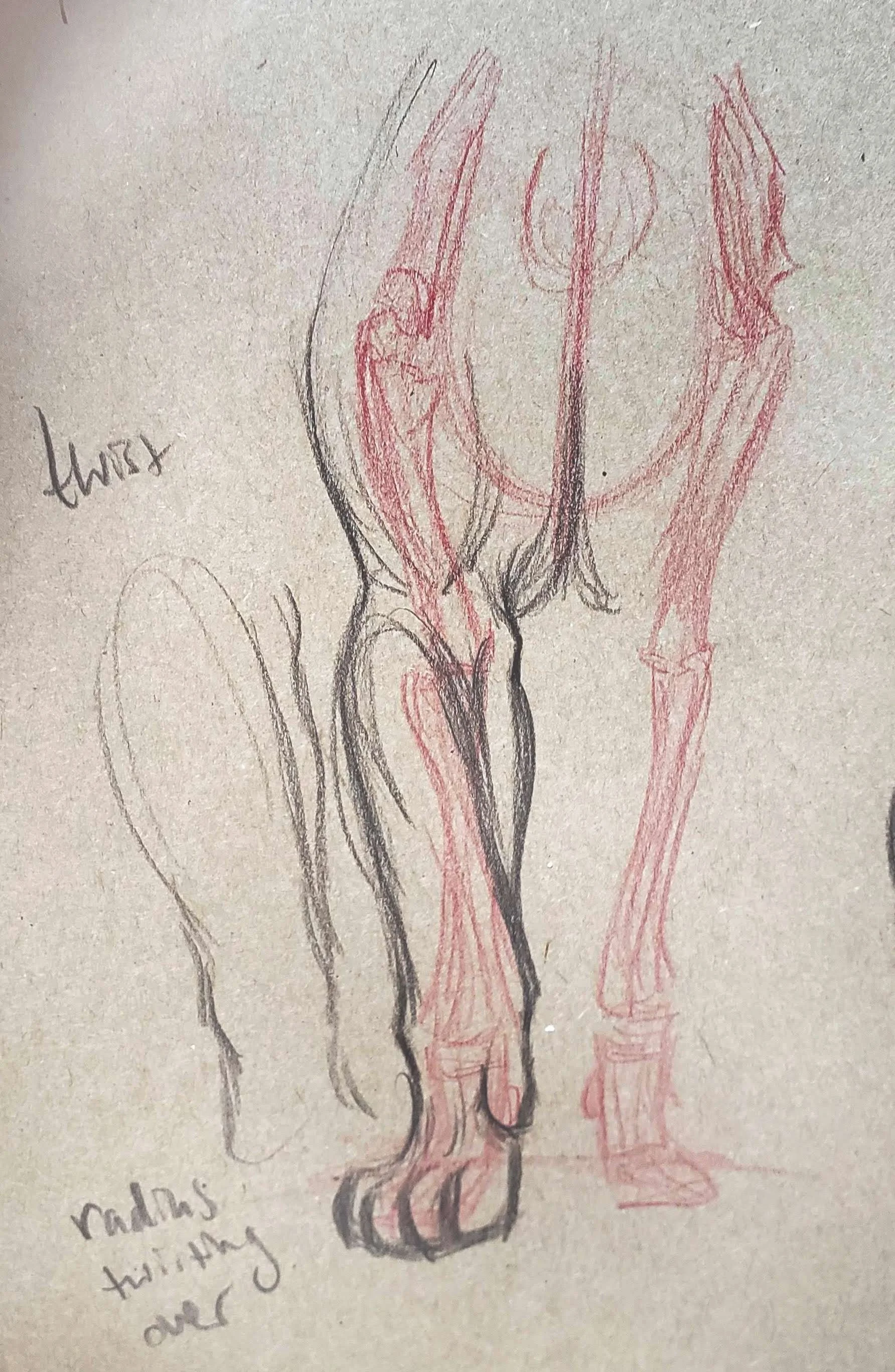
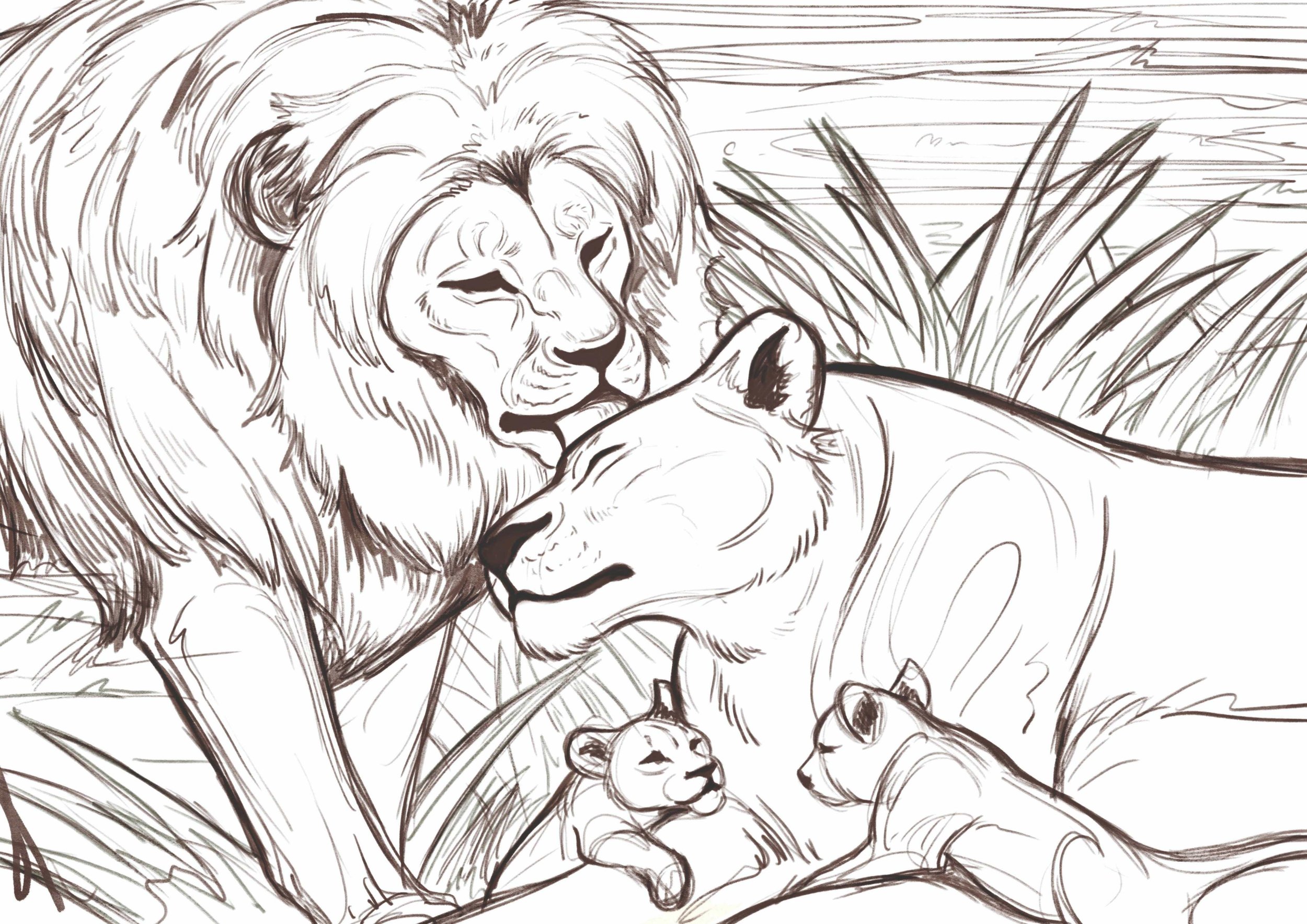
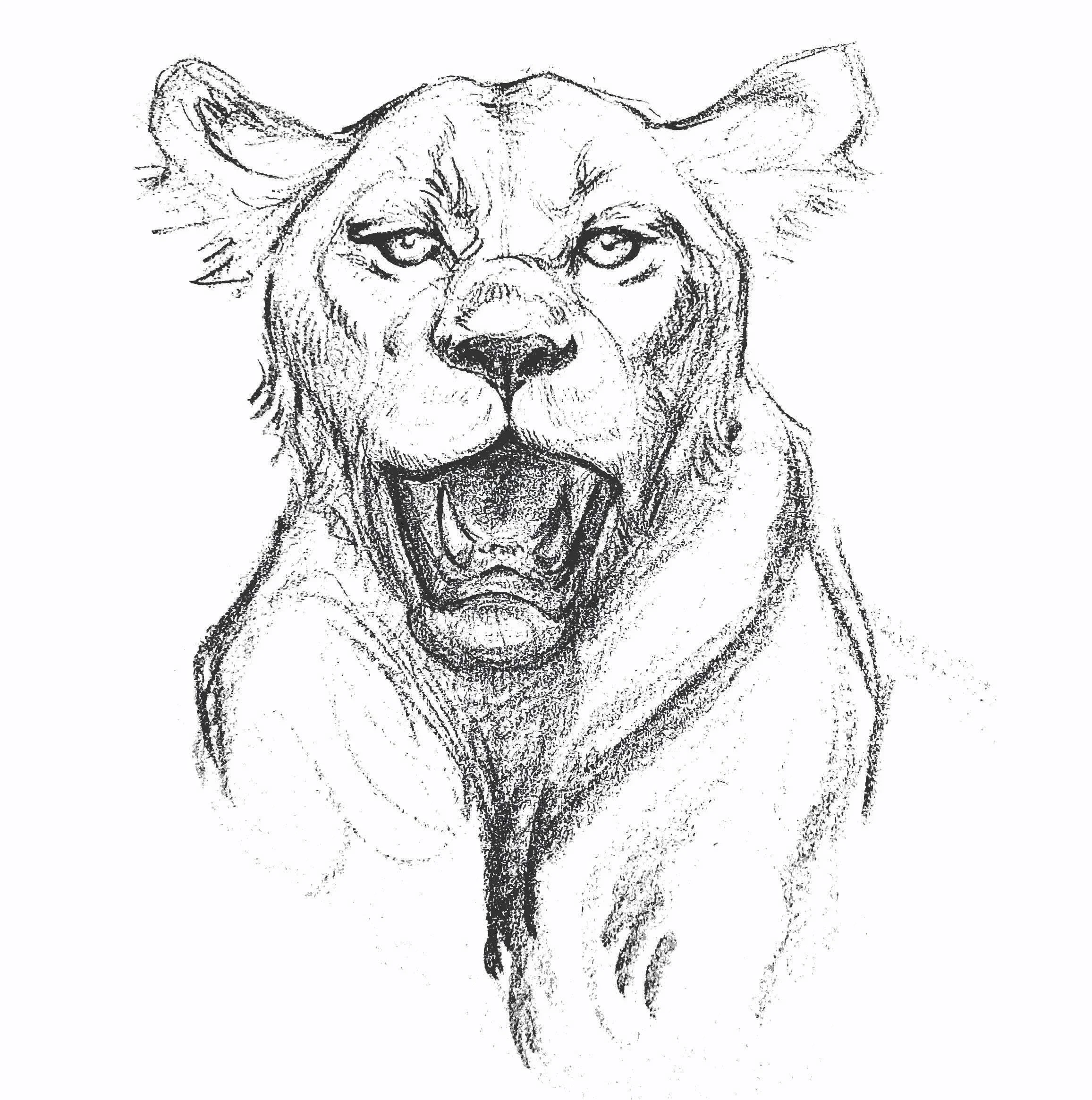
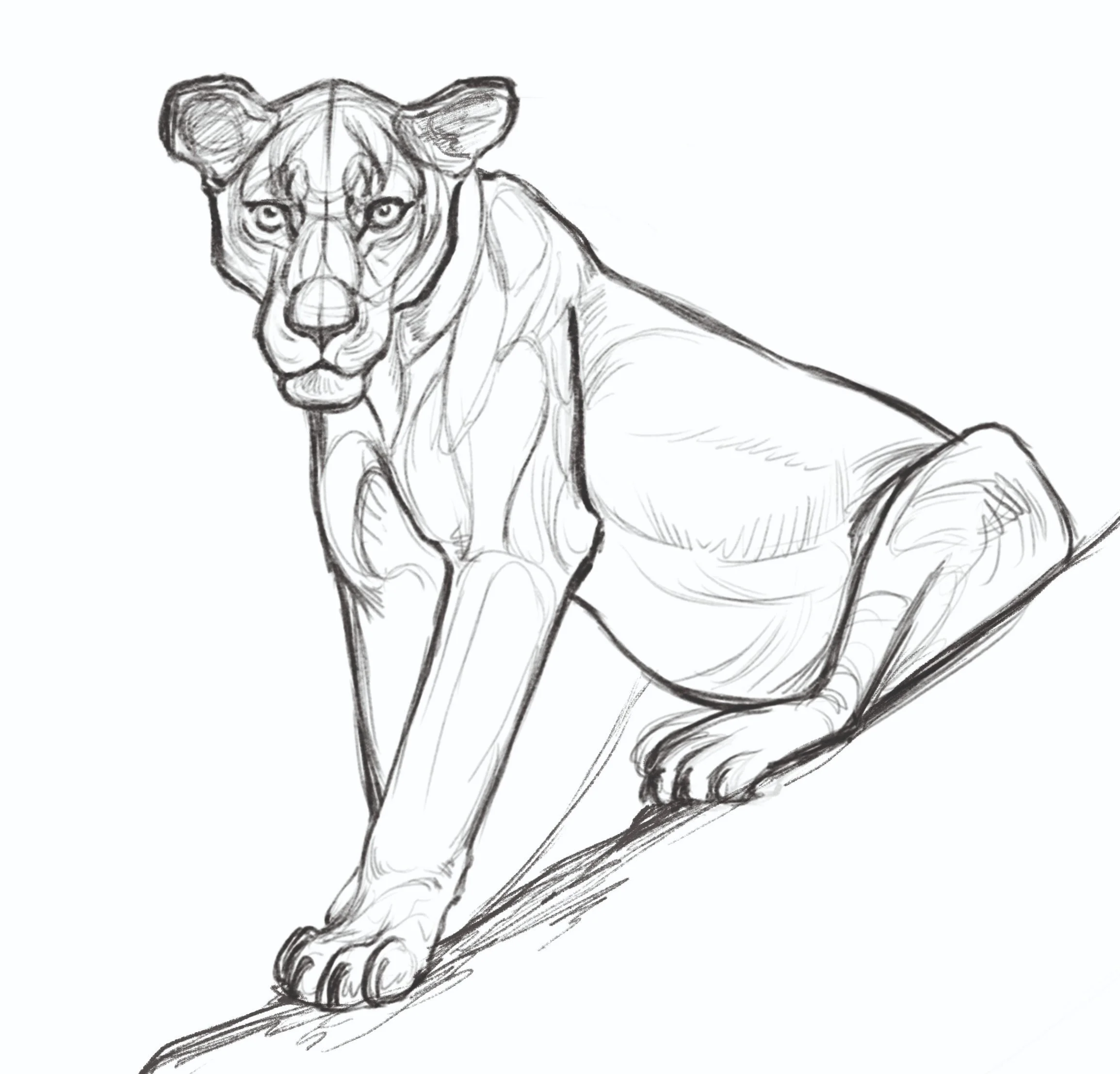
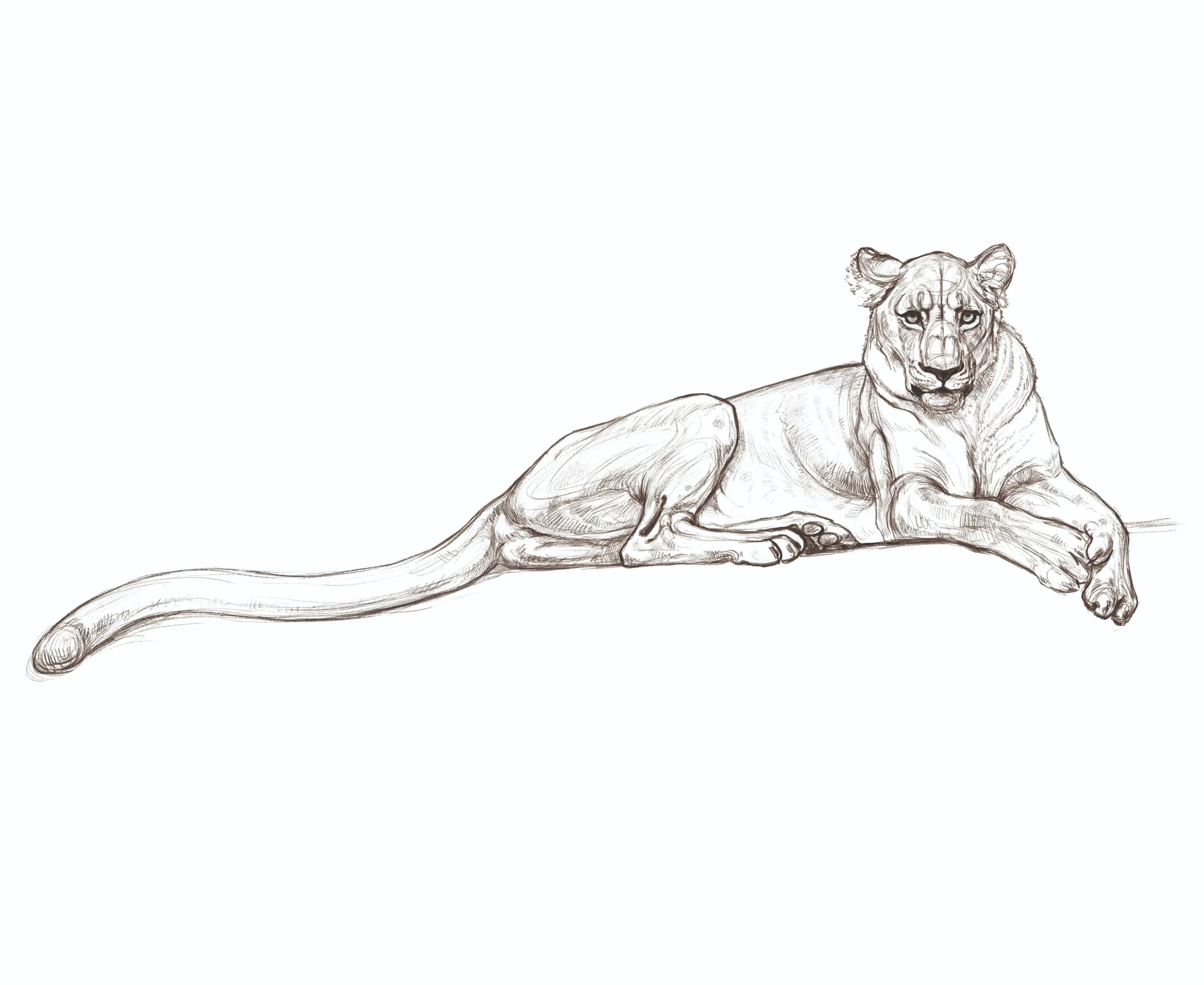
Through working with Dr. Alex Braczkowski, I learned a great deal about the unique tree climbing lions of Uganda, and wanted to find a way to convey the complexities of the threats facing them in order to educate and raise awareness for their conservation. My belief in the power of a story to create empathy coupled with my in depth anatomical training I was receiving led to choosing a method of illustration inspired by comics and graphic novels. This allowed the narrative to dive deep into the intricacies of this case of human-wildlife conflict, while also making the information engaging. These featured illustrations from the project showcase my process sketches, anatomical studies, and illustrations of the lions Alex photographed and researched. You can view the comic-style stories that detailed the complex dynamics surrounding this case of conservation, which were featured in the more high-level graphic style interactive infographic that overviewed the conservation cause.
Lion Comic Story
-
![]()
Female Lion Story Part 1
-
![]()
Female Lion Story Part 2
-
![]()
Male Lion Story
-
![]()
Lions & Prey Story


After clicking through the main storylines about how snare traps affect African lions, the end of the interactive infographic featured a solutions section, which aimed to bring hope and action items to protect lion populations. It culminated with a hopeful ending in the comic-style story illustrations, shown here.
-
![]()
Interactive Infographic Header
-
![]()
Comic Ending - Lion Family
-
![]()
Lions & Prey
-
![]()
Female Lion & Snare
-
![]()
Lion Hunting
-
![]()
Tree Climbing Lions
-
![]()
Maasai Cattle Farm
-
![]()
Prey in Snare
-
![]()
Male Lion & Pride
-
![]()
Comic Storyboards
-
![]()
Lion Pen Sketch
-
![]()
Lion Face Pencil Sketch
-
![]()
Lion on Tree Pencil Sketch
-
![]()
Lion Nursing Pencil Sketch
-
![]()
Lion Facial Anatomy Study
-
![]()
Lion Front Leg Anatomy Study
-
![]()
Lion Hind Leg Anatomy Study
-
![]()
Lion Front Leg Anatomy Study
-
![]()
Lion Family Line Drawing
-
![]()
Lion Face Pencil Sketch
-
![]()
Tree Climbing Lion Sketch
-
![]()
Lion on Tree Detail Outline




Whales
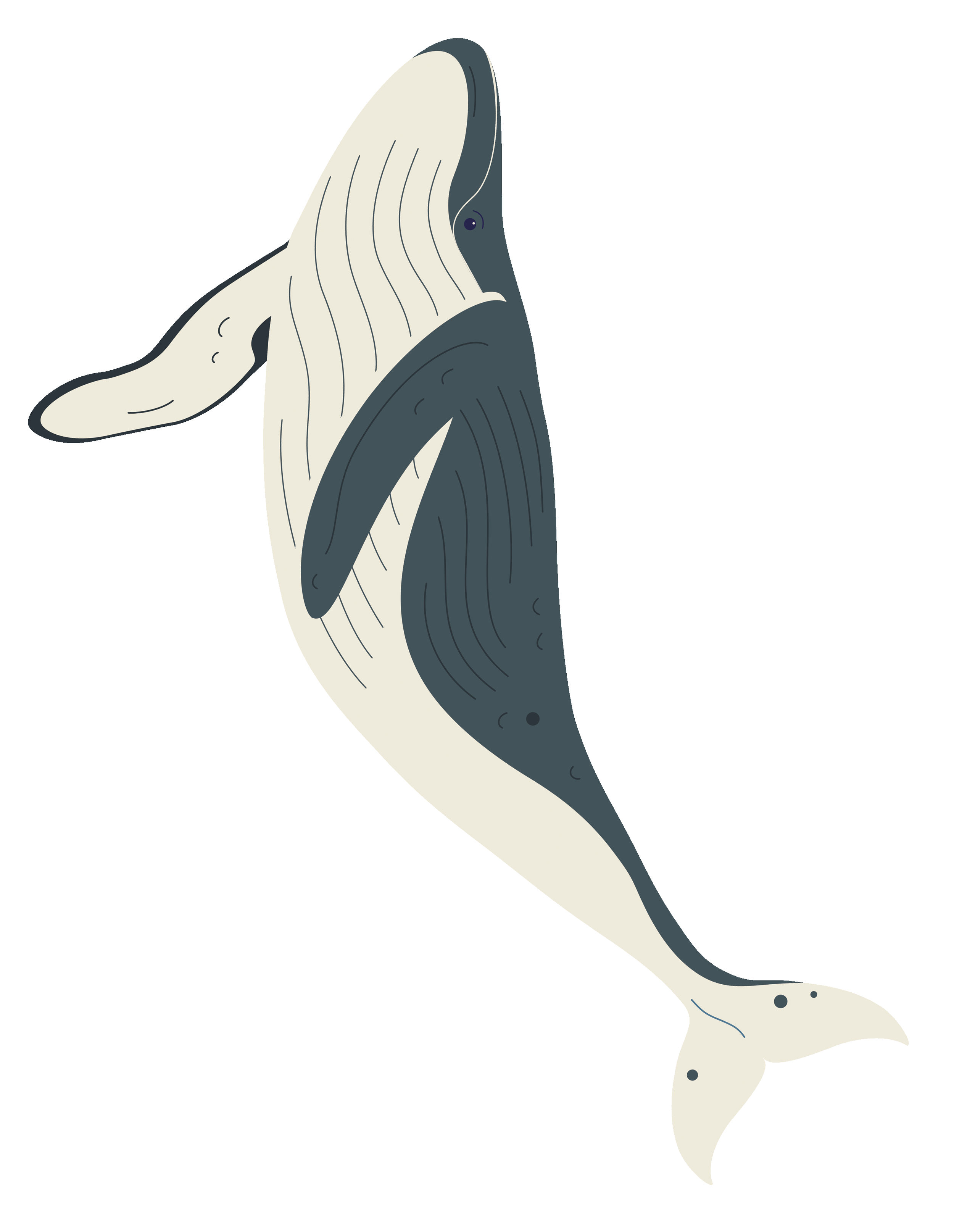
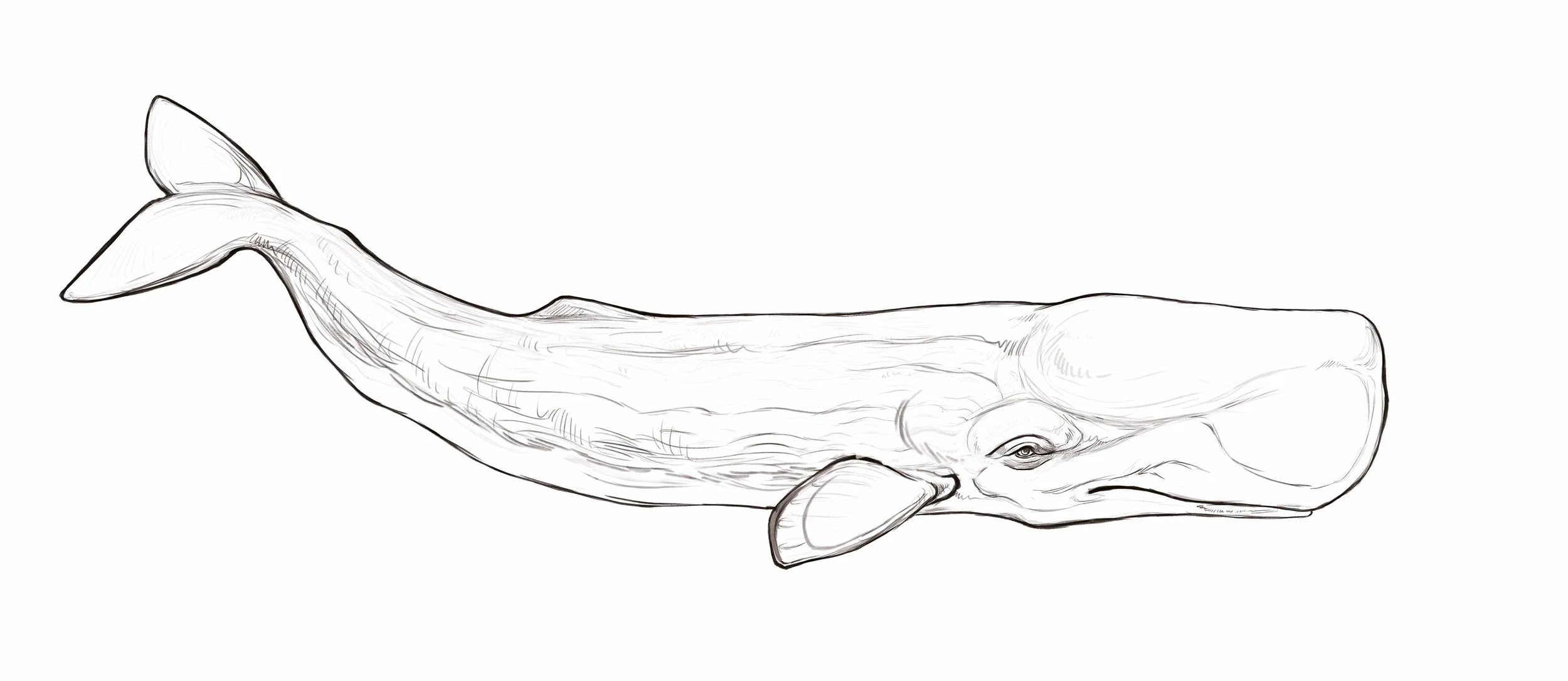
In contrast to the digital application of the lion segment of my thesis, my project on sperm whales explored a print material approach that would serve the museum’s conservation and research efforts. I collaborated with a Natural History Museum called Naturalis, where I worked with the team responsible for studying marine mammals that beach on the coast of the Netherlands after swimming into the North Sea.
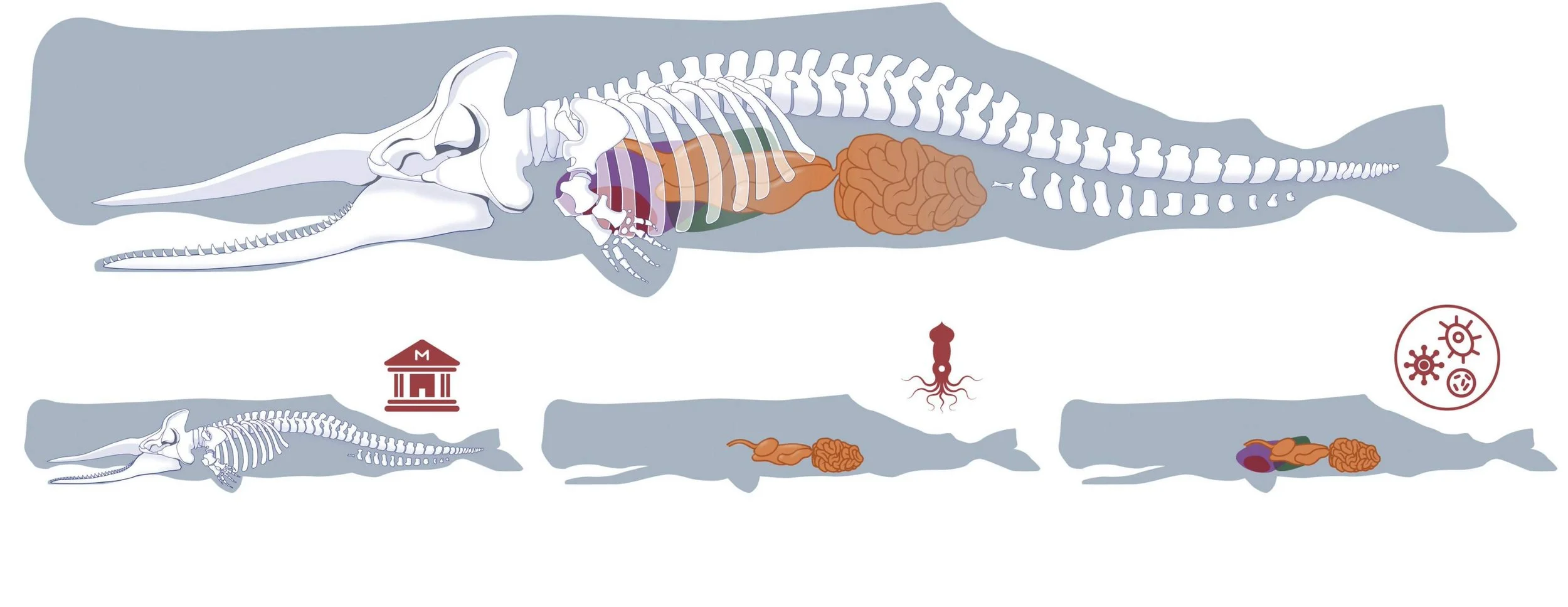
Whenever a whale washes onto the shore, this team goes to the site of the stranding to take tissue samples and dissect the animal at the scene, as well as to exhume the skeleton for inclusion in their museum collection. We decided to make a poster design that could be transported and displayed at these sites whenever there is a stranding in order to educate the public and answer bystanders’ most common questions about the research being done at the scene.
This section includes some details and sketches from the infographic, as well as the final poster design.